

Language is alive and impacts pretty much everything we do. How we talk about things, the labels we use, they matter even when they are messy and ever-changing. I began using BBA and BBIA instead of BIPOC several years ago. Here’s why.
WTF is BBA?
BBA stands for Black, Brown, and Asian. BBIA then stands for Black, Brown, Indigenous, and Asian. These terms were created by a group of Black educators and activists on Facebook many years ago. They were created to fill a hole and importantly to get more specific than “BIPOC” could ever be. In several ways I think the more pertinent question that I haven’t seen unanimous consensus on is: WTF is BIPOC?
BBA and BBIA
BBA (Black, Brown, Asian) is for spaces explicitly excluding white people. BBIA adds Indigenous when the conversation includes land, sovereignty, and colonial history — or when Indigenous people are in the room and want to be named. Due to the fact that some Indigenous people are racialized as white, this term offers an important distinction.
WTF is BIPOC?
BIPOC stands for Black, Indigenous, and People of Color. Or maybe its Black Indigenous People of color. Oh wait no, maybe it’s Black Indigenous and People of Color. Wait, I got lost, what does People of Color mean? Is that like Colored People?
You see how confusing it is? And genuinely, I’ve been in so many spaces seeking to build something specific who can’t agree on what BIPOC means. Who it includes and who it doesn’t.
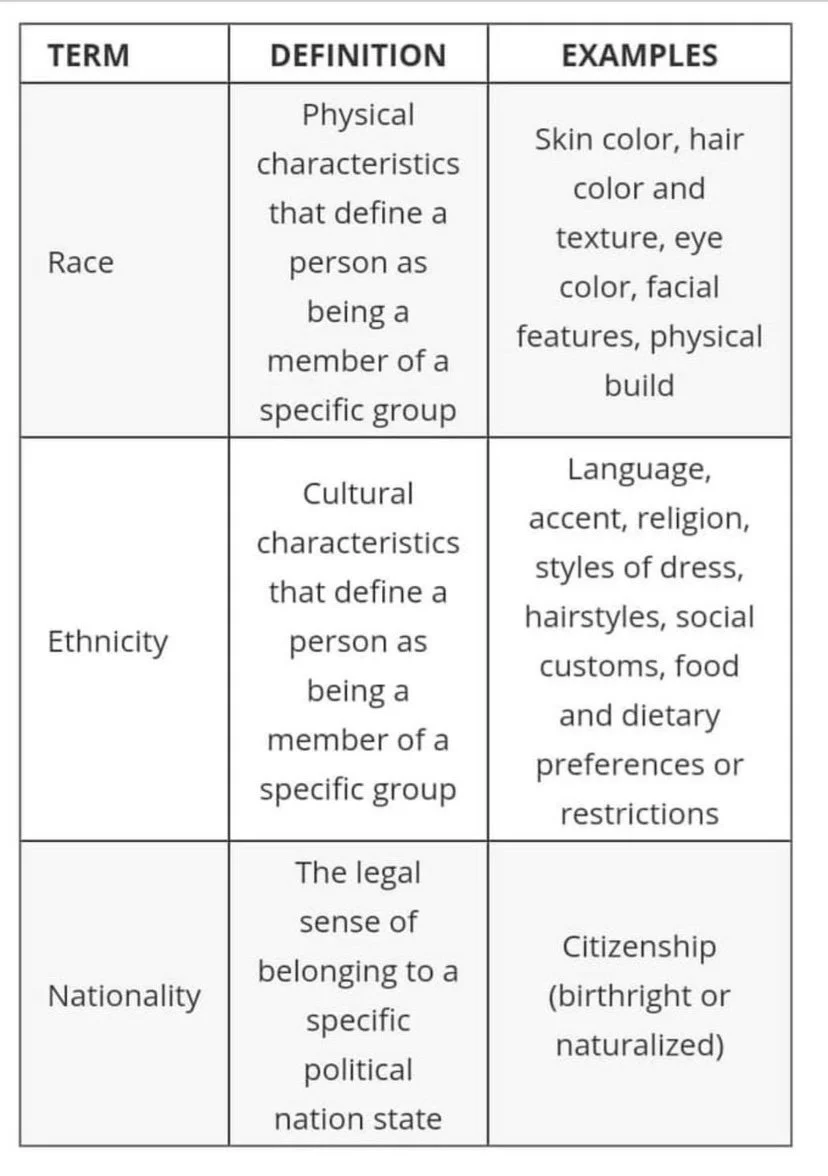
Part of the difficulty is that we have racial and ethnic identities tied up together in BIPOC instead of making clear one or the other. So if I expect to go into a room with no people racialized as white, a BIPOC room is going to leave me wanting. A BBA room isn’t, only visually racialized people (people racialized as Black, as Brown, or as Asian) will be in this room.
Specificity Matters
This isn’t about leaving anyone out, it’s about being specific. In fact, since beginning to use BBA and BBIA I have become much more intentional in who I’m talking about.
A phenomenon I’ve watched happen over and over again has been this lack of specificity, especially when discussing marginalized groups. Autism and ADHD became “neurodivergent” (even though the neurodivergent umbrella includes many, many, many more experiences of body-minds). Black became “people of color” and then “BIPOC”. All as a way to get away from specificity and thus away from accountability.
We don’t have to talk about anti-Black racism (globally) when all we can focus on is racism as a whole.
This doesn’t mean we never group together and use collective power! Remember, we do nuance here, both/ands not either/ors. There are many shared experiences and overlap that are important to name, and there are differences that matter.
So where does that leave you (the therapist reading this)
You can use whatever language you prefer, I’m not here to be prescriptivist. I know that BBA and BBIA haven’t picked up yet, that BIPOC does better for SEO.
All I want is to offer you some greater understanding, some insight into the impacts of the language you use. To get you to think.
And maybe it’s something you talk to your BBIA clients about, how do they feel about BIPOC? Does it make them feel seen?
I know I’ll be using BBA and BBIA, even though all the SEO people and the marketing people prefer BIPOC. I need to be true to my community and what is best for it. “Marketing” be damned.